
Gulliver's Changing Stature and Identity
Gulliver's TravelsHow Gulliver's sense of self is altered by his experiences as a giant and a dwarf, and his struggle to maintain his identity.
increasing Bearing strength in each event
 decreasing
Bearing strength in each eventdecreasingGulliver's Early Pride in His Size
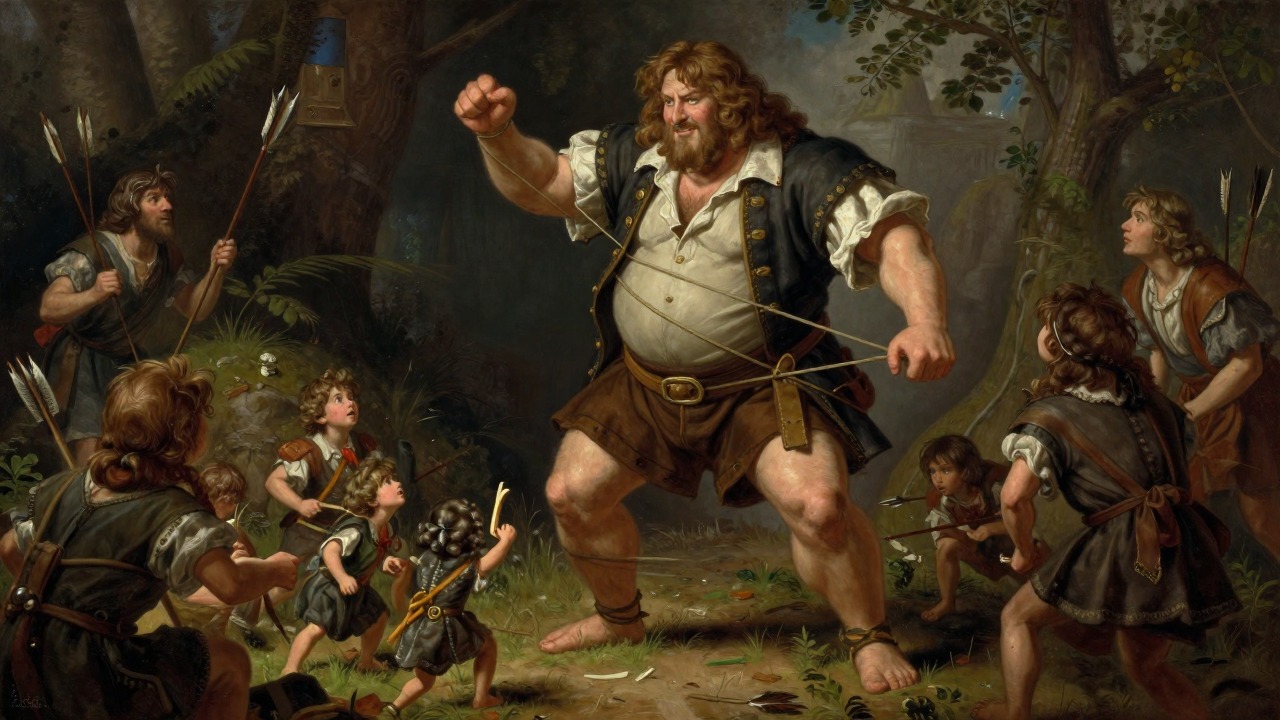
The Man-Mountain's Confidence
The Physical Power
When Gulliver first realizes the Lilliputians are so small, he feels a sense of power. He believes he could easily crush them or escape. He is restrained only by his sense of honor and the memory of the arrows. His size gives him a certain confidence.
The Pride in Service
Gulliver takes pride in his ability to serve the emperor. He captures the fleet, saves the palace, and performs feats that no Lilliputian could. He is rewarded with the title of Nardac. He sees himself as a valuable ally, not a mere prisoner.
The First Cracks
Despite his power, he is subject to the Lilliputian laws and arrows. He is also manipulated by the court. His pride is gradually eroded by the conspiracy and the threat of blindness. He begins to realize that his size does not protect him from political machinations.
The Humiliation in Brobdingnag
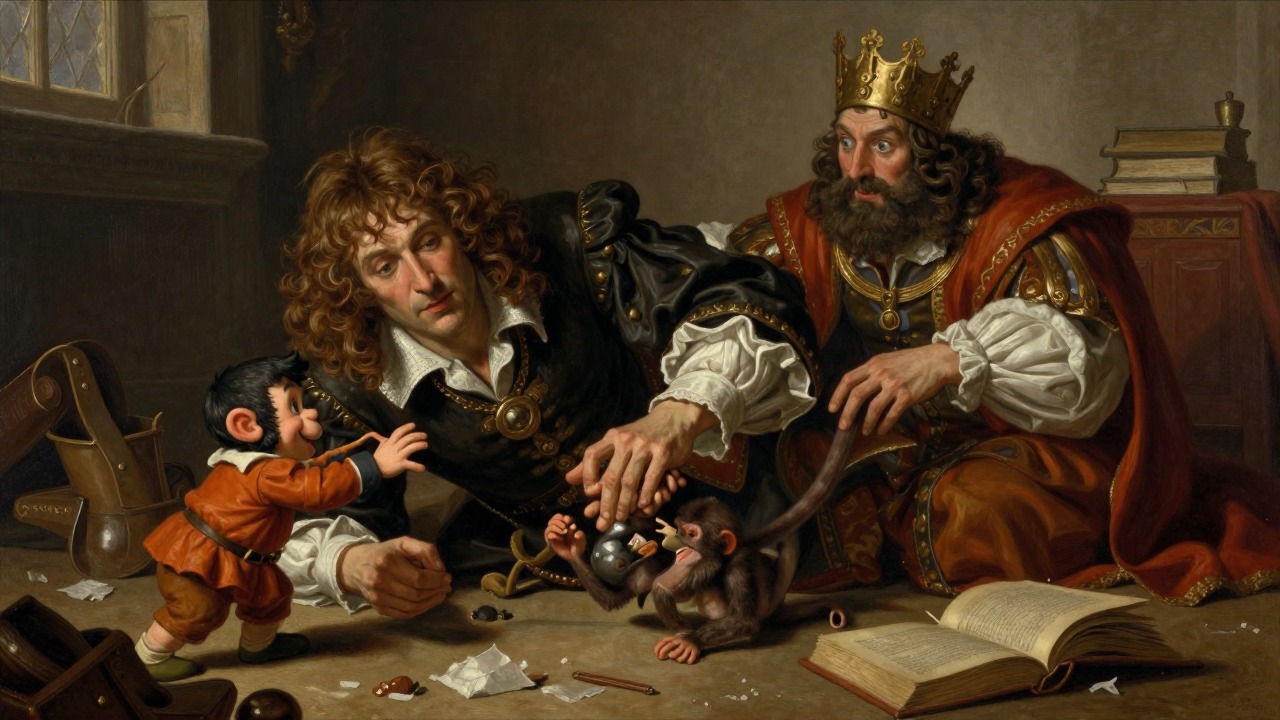
The Loss of Self-Respect
The Constant Danger
In Brobdingnag, Gulliver is constantly in danger of being crushed, eaten, or dropped. He is treated as a pet, a curiosity. The dwarf's malice, the monkey's grasp, and the king's laughter all diminish him. He is no longer a man-mountain but a toy.
The Attempt to Maintain Dignity
Gulliver tries to assert his pride by boasting about his country and his own courage. But his boasts are met with ridicule. The king's laughter at his attempt to draw his hanger is particularly humiliating. He reflects that it is vain to seek honor among those who are out of all comparison with him.
The Internalization of Smallness
Gulliver begins to see himself as small. When he looks in the mirror with the queen, he sees a ridiculous figure. He even starts to imagine his own people as pygmies. His identity is shaken by the change in perspective.
The Return to England and Alienation
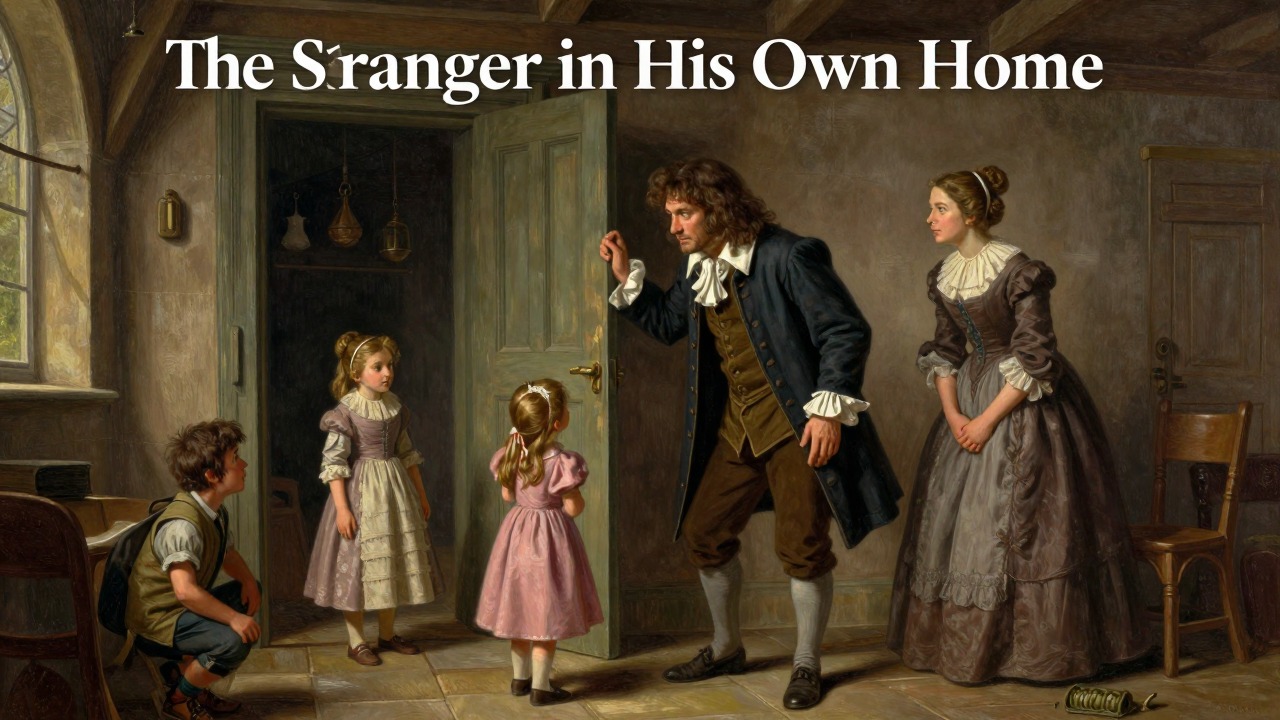
The Stranger in His Own Home
The Disorientation
Gulliver's return to England is marked by his inability to adjust. He sees his wife and daughter as pygmies. He bends down to enter his house. He is afraid of trampling people. His family concludes he has lost his wits.
The Identity Crisis
Gulliver no longer fits into his own society. He has been shaped by his experiences in the two countries. He now sees the pettiness and corruption of his own people through the eyes of the Brobdingnagian king. He is alienated from his own kind.
The Foreshadowing of Future Voyages
Gulliver's wife protests that he should never go to sea again, but his evil destiny orders otherwise. The reader knows that he will continue to travel, and his identity will be further transformed in the later voyages. Here, the seeds of his misanthropy are sown.
The Transformation of Values
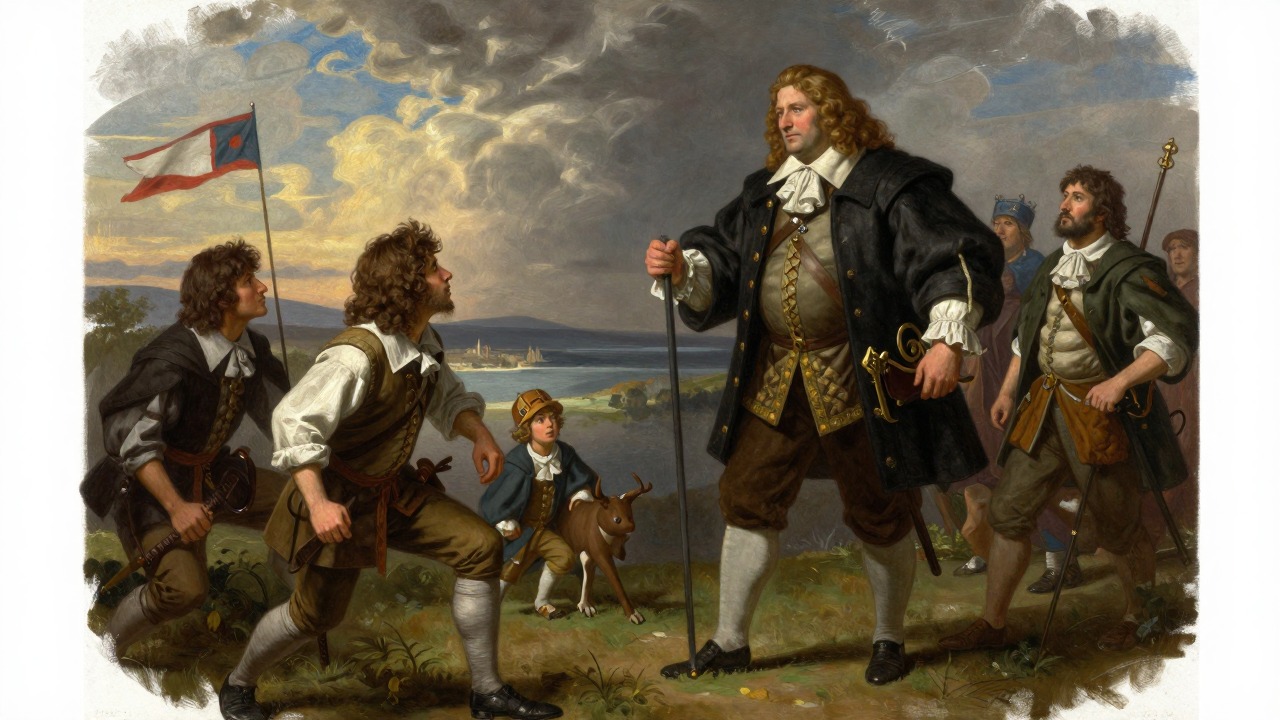
The Shifting Moral Compass
The Loss of National Pride
In Lilliput, Gulliver is proud of his country. In Brobdingnag, he is forced to defend it, but the king's critique shakes his confidence. He later admits that he artfully eluded many questions. His patriotic pride is replaced by a more critical view.
The Education in Relativity
Gulliver learns that what is considered great in one context is small in another. This applies to political systems, moral values, and even physical size. He becomes a relativist, though he clings to some remnants of his old beliefs.
The Future Implications
By the end of the second voyage, Gulliver is a changed man. He is more cynical, more aware of human folly, and less certain of his own worth. This transformation prepares him for the even more radical experiences of the later voyages, where he will encounter the Houyhnhnms and the Yahoos.
early in Lilliput, 1699
1703-1706, throughout the Brobdingnag stay
June 1706, after arrival
throughout both voyages
